A Comprehensive Consider Auto Solution: The Important Duty of Oil Modification and Routine Auto Upkeep
Auto service is important for keeping car performance and durability. Normal oil modifications play a critical function in stopping engine wear and costly repairs. Additionally, regular upkeep prolongs past just oil, including various checks that enhance safety and security and effectiveness. Recognizing the subtleties of these services can bring about significant monetary benefits. What factors should car proprietors consider to ensure their auto remains in peak problem? The responses may stun both skilled chauffeurs and new cars and truck proprietors alike.
The Relevance of Normal Oil Adjustments
Exactly how important are normal oil adjustments to the durability of an automobile? Routine oil adjustments play a crucial duty in preserving a vehicle's total health. Engine oil lubes moving parts, lowers friction, and aids dissipate warm. Over time, oil degrades and accumulates contaminants, which can lead to boosted deterioration on engine parts. If neglected, old oil can bring about sludge build-up, negatively influencing the engine's efficiency and possibly causing costly repairs. Many manufacturers advise oil modifications every 3,000 to 7,500 miles, depending on the vehicle and oil type. Sticking to this schedule not only enhances engine efficiency but also extends the lifespan of the lorry, making sure reputable performance and lowering the threat of break downs in the long run.
Exactly How Oil Quality Influences Engine Performance
Oil quality plays a necessary duty in determining engine efficiency, as its thickness significantly influences lubrication effectiveness. In addition, the presence of additives can boost engine security against wear and tear, adding to general durability. Normal oil changes are vital to maintain optimal efficiency, ensuring that the engine runs smoothly and efficiently.
Oil Viscosity Relevance
While numerous variables influence engine efficiency, the thickness of engine oil plays an essential duty in making sure perfect capability. Viscosity describes the density of the oil, impacting its ability to move and lubricate engine parts effectively. Oils with proper viscosity keep a stable film in between relocating parts, minimizing rubbing and wear. If the viscosity is also low, oil may not provide ample lubrication, leading to enhanced engine wear and potential damages. On the other hand, exceedingly thick oil can impede circulation, especially in chillier temperatures, resulting in poor engine security during start-up. Selecting the right oil viscosity, as advised by the manufacturer, is crucial for enhancing engine efficiency and longevity, thus boosting total car reliability.
Additives and Engine Protection
Although engine oil viscosity is critical, the quality of the oil itself, including its ingredients, greatly impacts engine efficiency and protection. Additives such as cleaning agents, dispersants, and anti-wear agents enhance the oil's capability to minimize engine wear, decrease sludge build-up, and preserve tidiness. These chemicals work synergistically to supply a protective barrier versus rubbing and rust, making certain the engine runs smoothly and efficiently. High-quality oils frequently contain innovative additives that improve thermal stability and oxidation resistance, adding to longer engine life. In enhancement, the appropriate additives can maximize fuel economic situation and decrease discharges, straightening with environmental criteria. Choosing oil with remarkable additive formulations is crucial for keeping overall engine health and performance.
Regular Change Intervals
Normal oil adjustments are important for preserving peak engine efficiency, as the quality of the oil straight affects engine efficiency and durability. Over time, motor oil breaks down because of warm, impurities, and chemical malfunction, shedding its capability to oil effectively. This deterioration can lead to raised friction and wear, resulting in lessened engine performance and potential damage. Abiding by recommended modification periods assures that the engine runs efficiently and efficiently. Top quality oils typically consist of ingredients that boost efficiency, decreasing sludge build-up and protecting essential engine elements. Regular oil changes not just prolong engine life but additionally enhance gas effectiveness, eventually adding to lower operational prices and a more trustworthy car.
Indicators That Your Automobile Demands an Oil Change
An increase in engine noise can be a clear indicator that a lorry schedules for an oil adjustment - auto service. Additionally, the activation of the oil caution light on the dashboard works as a crucial alert for vehicle drivers. Acknowledging these indicators immediately can aid keep ideal engine wellness
Engine Sound Increase
Engine sound can work as an essential sign of a car's general health, especially when it pertains to oil maintenance. An obvious increase in engine sound often recommends that the engine oil has actually degraded, losing its capability to lubricate important elements properly. As oil ages, it can become contaminated with dust and debris, causing boosted friction and, subsequently, more sound. Motorists might listen to knocking, touching, or grinding sounds, which are indicators of insufficient lubrication. Ignoring these modifications can bring about more mechanical issues and pricey repairs. Routine oil adjustments are vital to preserving optimal engine efficiency and lessening sound, guaranteeing that the vehicle runs efficiently and successfully. Identifying these auditory cues can assist avoid extra serious damages.
Oil Warning Light
The oil warning light works as an essential alert for vehicle proprietors, suggesting that it might be time for an oil modification - auto repair near me. When this light brightens on the control panel, it signals that oil degrees are low or the oil quality has actually deteriorated. Overlooking this warning can cause extreme engine damages, as oil oils and protects engine parts. In addition, other indications may come with the oil caution light, such as uncommon engine sounds or a burning smell. On a regular basis examining the oil level and top quality can assist protect against these indications from occurring. Car owners ought to focus on addressing the oil warning light immediately, guaranteeing the longevity and efficiency of their engine with timely oil changes and routine maintenance
Regular Upkeep Beyond Oil Changes
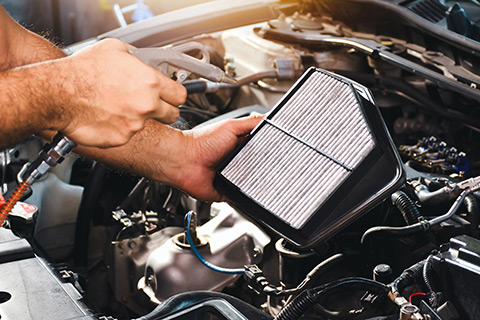
While numerous car proprietors concentrate largely on oil adjustments, regular upkeep encompasses a wider variety of necessary solutions that ensure peak lorry performance and long life. Regular assessments of brakes, tires, and fluid degrees are important for secure operation. Tire turning and positioning aid preserve even use, enhancing both safety and security and gas effectiveness. In addition, replacing and inspecting air filters guarantees suitable engine performance and air quality within the cabin. Battery checks can stop unexpected breakdowns, while normal wiper blade substitutes enhance exposure throughout negative climate. Complying with the maker's preferred service routine is essential for preserving warranty protection and making certain that automobiles continue to be reliable over time. By embracing substantial maintenance, cars and truck proprietors can greatly prolong the lifespan of their automobiles and enhance general driving experiences.
The Financial Benefits of Preventive Auto Service
Preventative automobile solution not just improves car efficiency yet additionally uses significant financial advantages. Normal maintenance, such as oil changes and tire turnings, can prevent pricey repair work down the local auto repair shops line. By resolving small concerns prior to they intensify, vehicle proprietors can save money on considerable fixings that can develop from overlooking routine care. Additionally, well-kept lorries have a tendency to have much better fuel performance, decreasing general gas costs. Preventative service likewise helps keep a higher resale value, as possible buyers often look for autos with a recorded solution history. Ultimately, buying preventative car solution can lead to significant savings, making it a sensible financial choice for lorry owners seeking to secure their investment and guarantee lasting reliability.
Tips for Discovering a Trustworthy Vehicle Provider

Discovering a trusted car provider is necessary for keeping lorry efficiency and longevity. To begin, individuals ought to look for suggestions from close friends, household, or on the internet reviews to evaluate the top quality of service used. It is important to look for accreditations and associations with acknowledged automobile organizations, as this indicates professionalism and trust and adherence to sector standards. In addition, prospective customers need to ask about warranties for services provided, which showcases the service provider's confidence in their job. Checking out the facility ahead of time permits for a firsthand analysis of tidiness and company, showing the supplier's commitment to top quality. Ultimately, clear interaction concerning rates help with car repairs and solutions is vital; a trustworthy service provider needs to provide transparent quotes without covert costs. Complying with these pointers can lead to a trustworthy auto service experience.
Frequently Asked Concerns
Exactly how Often Should I Check My Oil Degree In Between Changes?
It is advisable to examine the oil level at the very least once a month or every 1,000 miles in between oil adjustments. Normal surveillance aids ensure ideal engine performance and can stop prospective issues associated to low oil degrees.
Can I Switch Over Oil Brands Without Issues?
Yes, changing oil brand names is normally acceptable. It is a good idea to confirm compatibility with the automobile's requirements and to stay clear of mixing various types of oil to preserve peak efficiency and engine wellness.

What Occurs if I Miss an Oil Change?
Missing an oil adjustment can result in engine wear, minimized performance, and possible damages. In time, old oil loses its effectiveness, creating sludge buildup and insufficient lubrication, ultimately running the risk of expensive repair work or engine failure.
Is Artificial Oil Worth the Extra Cost?
Synthetic oil is often worth the extra cost due to its superior performance, better engine defense, and longer periods in between changes - Express Lube & Car Care. Many professionals concur that these benefits can bring about general cost financial savings and enhanced lorry longevity
How Do I Dispose of Made Use Of Oil Effectively?
Made use of oil must be gotten rid of at designated recycling facilities, automotive stores, or read the full info here harmful waste facilities. Appropriate disposal prevents environmental contamination, making sure security and compliance with neighborhood policies pertaining to hazardous materials and waste monitoring.